Verification in Legal AI Is a Design Problem
Lawyers remain responsible. Legal AI should make its work easy to check before they sign.
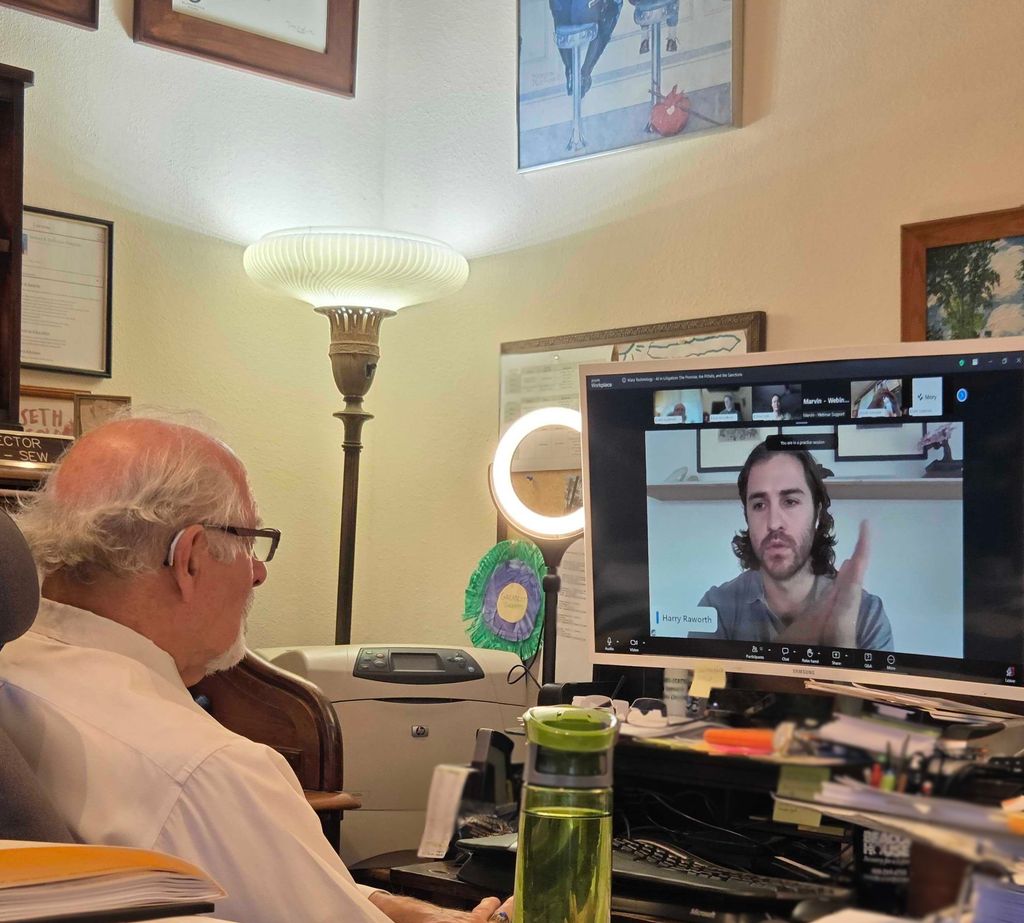
On July 16, 2026, we hosted a live panel, bringing together two litigators with very different starting points on AI: Seth Goldstein, owner of the Law Offices of Seth L. Goldstein, and Catherine Thompson, an associate at Blevans, Itzkowitz & Cantrell. Co-founder Harry Raworth moderated the discussion.
You can catch up on the recording here, or read more about it below!
Harry opened by asking Seth and Catherine where they each sit on AI in litigation today. Seth, a sole practitioner whose career has spanned physical case files, early online research, e-discovery, and now AI, was unequivocal:
"I think I'm enthusiastic. I'm starting with it and finding that it's a wonderful time saver for a sole practitioner." - Seth Goldstein
Catherine's route was more skeptical at first. Her first reaction to AI, she said, was to wonder whether it would make her job obsolete. That changed after an extended, pressure-testing conversation with Claude:
"Enthusiastic, but cautious. I'm really excited about the power of what I'm seeing, and excited about how it can transform and enhance our practice, but also wary of potential pitfalls." - Catherine Thompson
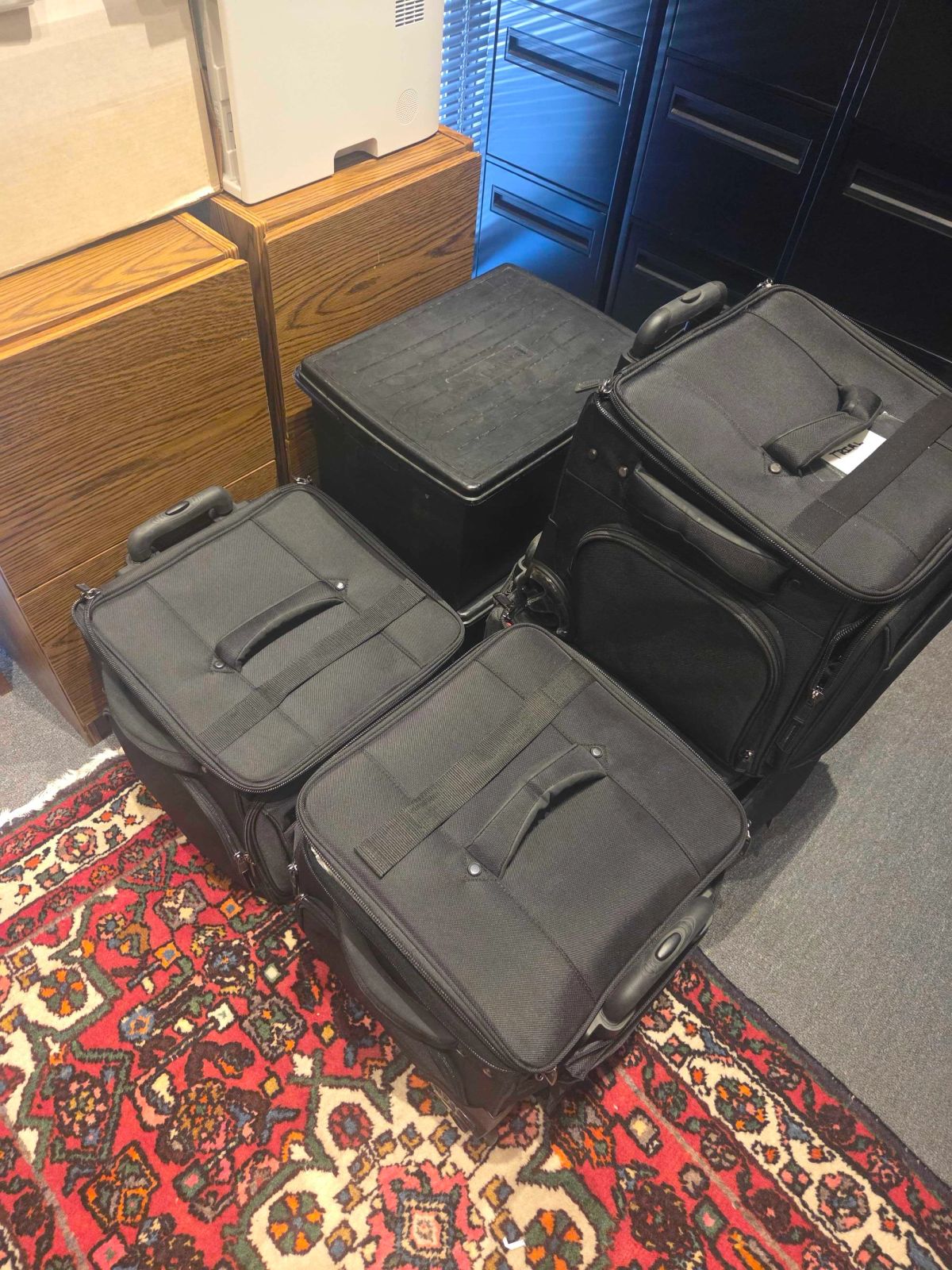
Seth's shared tales of the promise of AI: A case that predated his involvement and grew to 21 boxes of material over three years of litigation (boxes pictured). Before AI, synthesizing that volume, finding patterns of conduct, and building an argument would have taken his small team of three days or weeks. With Mary:
"I'm talking 10 to 15 minutes was the time it took for that program to make those conclusions and provide me with that resource." - Seth Goldstein
He also pointed to the value of being able to click straight through to the original page a fact was drawn from, calling that "invaluable" and central to the trust he's built in the tool.
And for those asking how those boxes get into Mary? Customers scan materials to their computer, drag and drop them into Mary, and Mary will read, structure and name the files automatically.
Harry noted the growing number of court decisions involving AI-generated material, tracked publicly by Damien Charlotin, including cases where both sides were reprimanded for false citations in the same filing. Seth was blunt about the cause:
"That's just plain stupidity and malpractice, obviously. But I think the thing that'll never change is that it's important to be able to verify the source of whatever information that you have." - Seth Goldstein
Catherine offered a firsthand example of how convincing AI errors can be. She once asked Claude to calculate the earliest date she could hold a deposition under California service rules. Claude answered confidently with a specific day of the week, which turned out to be wrong:
I said, what calendar are you using? Claude said, that's a good point, I'm not using a calendar, I don't know where I got that information from. And that was terrifying, and it should be terrifying to every single practitioner." - Catherine Thompson
Harry connected this to a Wharton study (Thinking Fast, Slow and Artificial, Shaw & Nave) unpacked by us previously: across almost 10,000 decisions given to roughly 1,300 people, wrong AI recommendations were followed over 80% of the time, and people's confidence in the answers actually rose even when the AI was wrong. Shaw and Nave call this "cognitive surrender".
Both panelists painted the picture: litigation is inherently ambiguous, and a tool that pretends otherwise is dangerous. Catherine described what she wants to see:
"A tool that builds in telling me: hey, this is the answer to your question, these are the things I'm 100% sure of, these are the things I'm 80% sure of, these are the things that sound right but I'm not sure of at all, and this is where I got the information." - Catherine Thompson
She compared a trustworthy AI tool to a good junior associate, one that flags what it didn't look at, asks clarifying questions grounded in context, and tells you when it thinks you've missed something. Seth's framing was more practical: AI's real value in litigation isn't replacing verification, it's pointing you toward what's actually significant so verification takes minutes instead of days.
"It saves you the time of reading absolutely everything from the first time to analyze it to find out whether or not there is something that's significant. So it points you in a direction which is a time saver." - Seth Goldstein
A live audience question about data confidentiality prompted a serious conversation. Harry said firms should check the exact product and account they plan to use, including whether uploaded material is retained, used for training or accessible to the provider, before entering client information. Catherine confirmed her firm's current policy is not to place client data in Claude until it has approved an enterprise arrangement. Seth referred to the State Bar's AI guidance and the need to use protected, approved environments.
Asked where they want AI to go over the next 12 months, Seth's wish list ran bigger than litigation itself, hoping AI might eventually help surface new thinking on family violence and trauma. Catherine's answer was more personal to her practice:
"I really believe that the value of human insight is still so critical in all of this. I don't see it as eliminating us. I see it as enhancing us. But it's incumbent on all of us, practitioners and vendors, to work together to ask for good products, to only use good products, to give feedback on those products, and to try things, dive in instead of being afraid of it." - Catherine Thompson
Book a meeting with our team and we'll unpack anything that caught your interest in this blog, or show you Mary live!