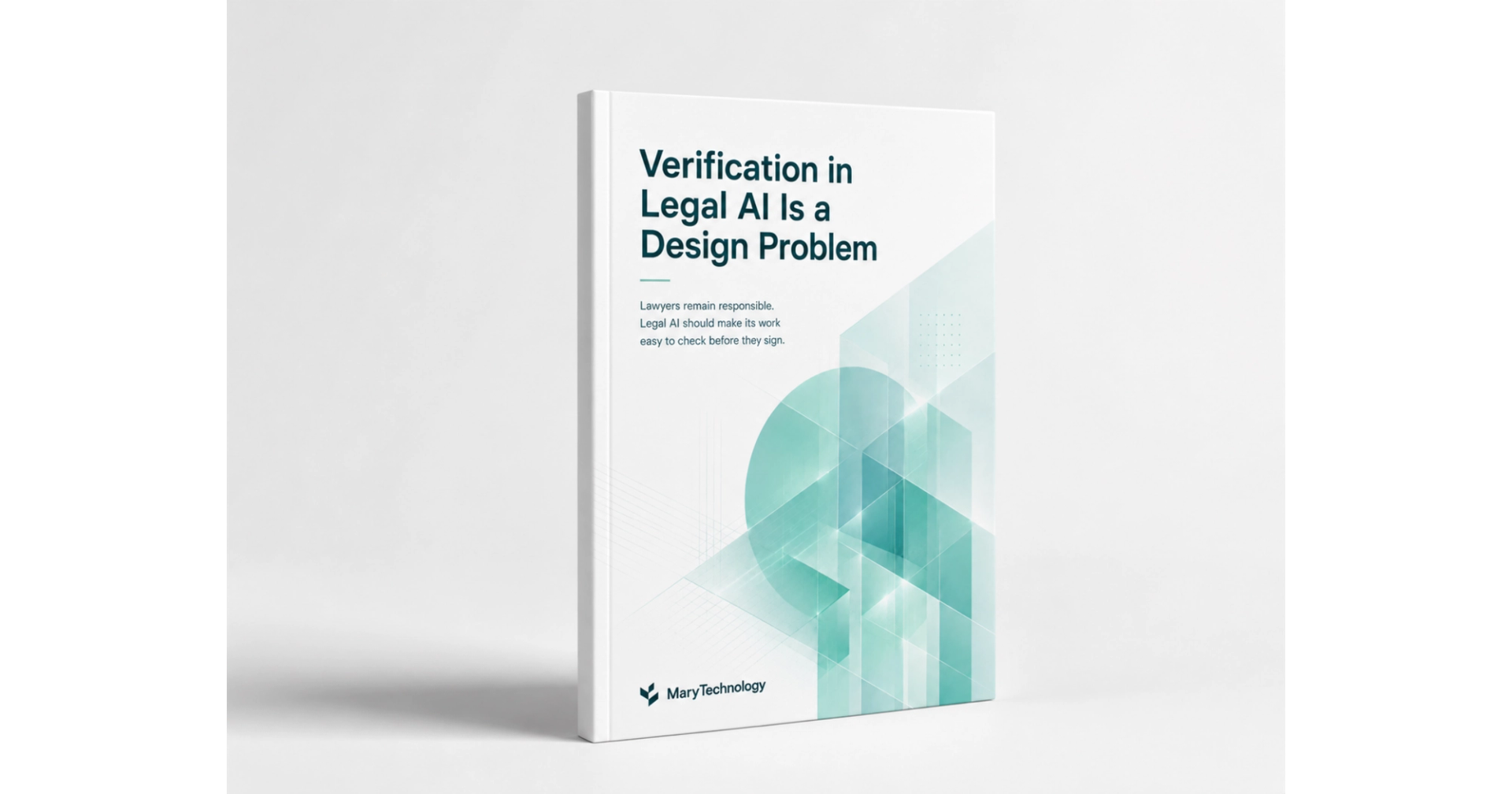
Verification in Legal AI Is a Design Problem
Lawyers remain responsible. Legal AI should make its work easy to check before they sign.

Small litigation firms frequently carry the most complex matters - thousands of documents, financial records and handwritten signatures. Mary is helping firms master the evidence and compete with larger firms.

Family law attorneys and adjacent professionals using Mary report saving 70%+ of the time they used to spend on document review and discovery.

Thompson joins from Blevans, Itzkowitz & Cantrell to own the standard Mary’s work must meet before an American lawyer relies on it.
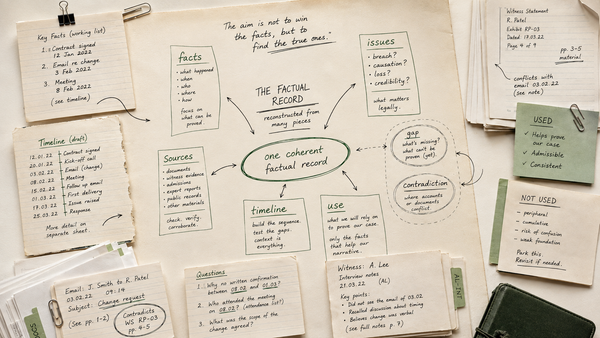
As legal AI gets better, the record underneath the work matters more.
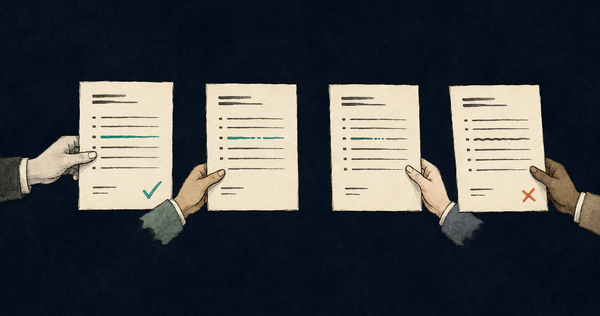
A new study of frontier models shows how legal AI can alter correct source information after retrieval, and why the system around the model can materially change the result.

Lawyers remain accountable for the work they use. But vendors should be accountable for making that work practical to verify.

The capability clock is moving faster than the institutional one. In litigation, the gap is adversarial.

A practical definition of the factual record in litigation, how it differs from documents and chronologies, and what it should preserve as a matter changes.

A controlled way to test legal AI for source accuracy, material omissions, correction handling and the time required to reach usable work.

A practical map of the roles played by document management, eDiscovery, factual-record systems and drafting tools across a litigation matter.

A practical explanation of MCP clients and servers, what the protocol connects, and why legal context, permissions and reviewed factual state still need to be designed.

A practical guide to matching legal research, eDiscovery, factual review and drafting tools to the task each performs best.

A recap of our July 2026 panel with litigators Seth Goldstein and Catherine Thompson on the practical value, verification risks and professional obligations surrounding AI in litigation.
A practical model for storing lawyer corrections as governed matter state rather than letting them disappear inside one AI conversation.

How legal AI should handle insufficient evidence, conflicting accounts, missing documents and unread material without producing a complete-looking answer.
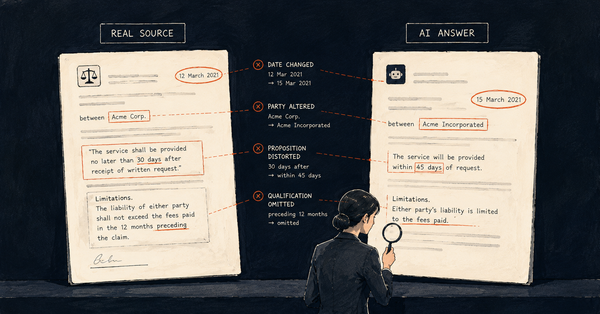
A practical taxonomy for legal AI errors that survive a basic source check, including misquotation, mischaracterisation, transformation and incomplete coverage.
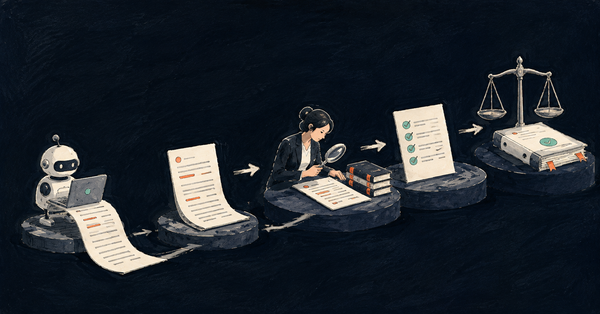
A practical method for measuring legal AI ROI across generation, review, correction, omissions, implementation and reuse.
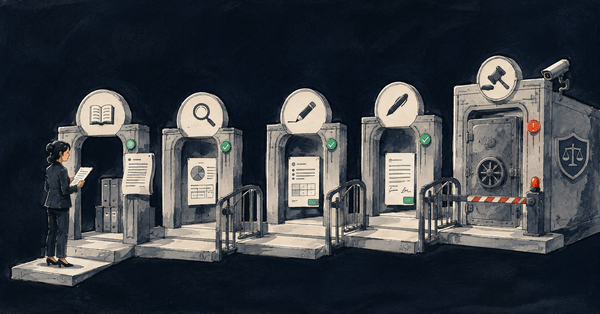
A practical permission model for legal AI agents, separating access to information from the authority to change a matter or act outside the firm.

How a persistent, source-linked factual record can support commercial litigation from early case assessment through discovery, witness preparation and hearing.
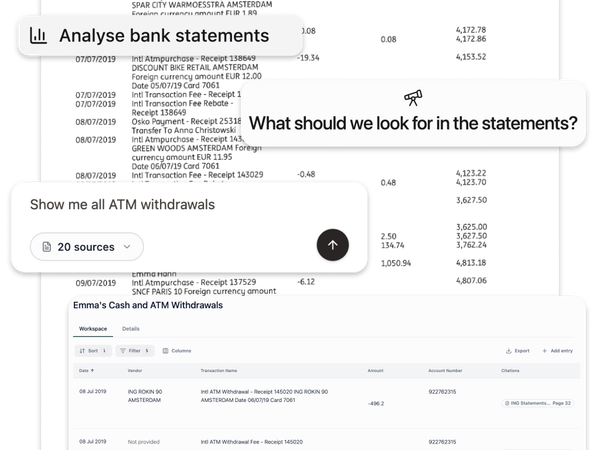
A practical six-step framework for law firms introducing generative AI, covering approved tools, client data, closed-matter testing, source verification and human accountability.
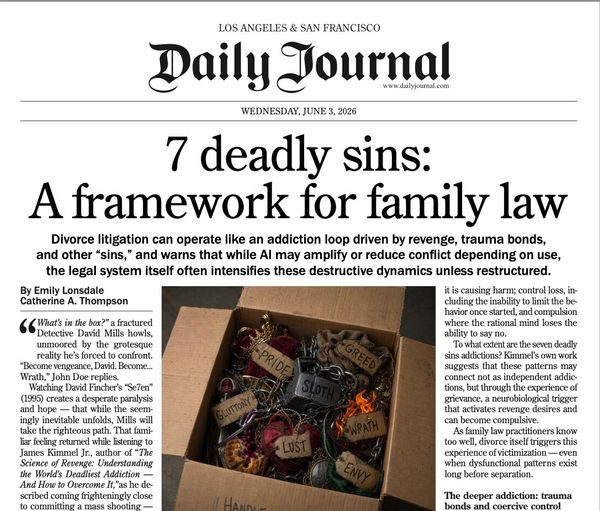
Emily Lonsdale and family lawyer Catherine A. Thompson examine how grievance, coercive control and fact chaos can intensify conflict in family-law proceedings.
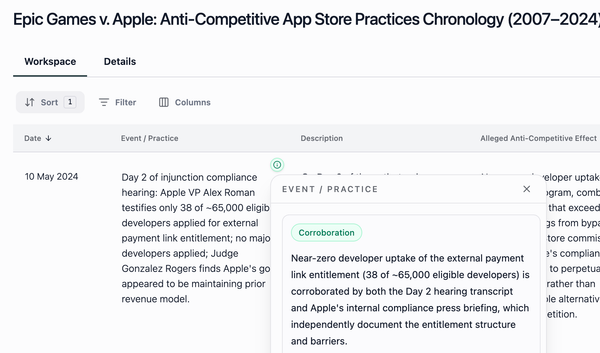
Why checking that a source exists can still miss factual omissions, misread dates and incomplete matter coverage, and what a stronger verification process should test.

If Actionstep is your Practice Management System, you can now upload documents straight into the Mary platform.

Research on cognitive surrender shows how plausible AI answers can displace independent reasoning under time and complexity pressure. This article examines the risk in litigation and the controls that can reduce it.
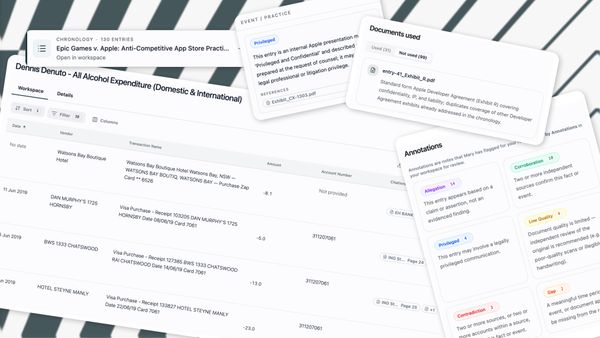
An overview of Mary's custom chronologies, bank statement analysis and template-based drafting, with results kept traceable to the underlying evidence.

How legal teams can reduce repeat document review by structuring facts, sources and gaps across a litigation matter.

A practical guide to task selection, client data, source verification, closed-matter testing and lawyer accountability.
A due-diligence checklist for law firms evaluating legal AI vendors, including testing, omissions, source fidelity, security and implementation.

A practical framework for small legal-technology pilots with a defined task, known matter, committed users and measurable results.
An introduction to legal fact management and how litigation teams turn scattered documents into a factual record that remains traceable to the evidence.

A practical comparison of manual and AI-assisted chronology drafting, including source review, omissions and the work lawyers still need to perform.